

CATALYSIS FOR A BRIGHTER TOMORROW

Jung Research Group

Designing Molecular Catalysts
for a Sustainable Energy Future

We explore light-driven chemical transformations and molecular catalysis to create clean energy and valuable chemicals for a sustainable society.

OUR RESEARCH

WHAT WE DO

Research

Catalytic Systems for Artificial Photosynthesis and Sustainable Energy Conversion

Our research focuses on the development of molecular catalytic systems for sustainable energy conversion and chemical transformations. By integrating transition-metal complex design, photochemistry, electrochemistry, and mechanistic investigations, we aim to convert abundant resources such as CO2 and H2O into valuable fuels and chemicals.

01

Artificial Photosynthesis & Photoredox Chemistry
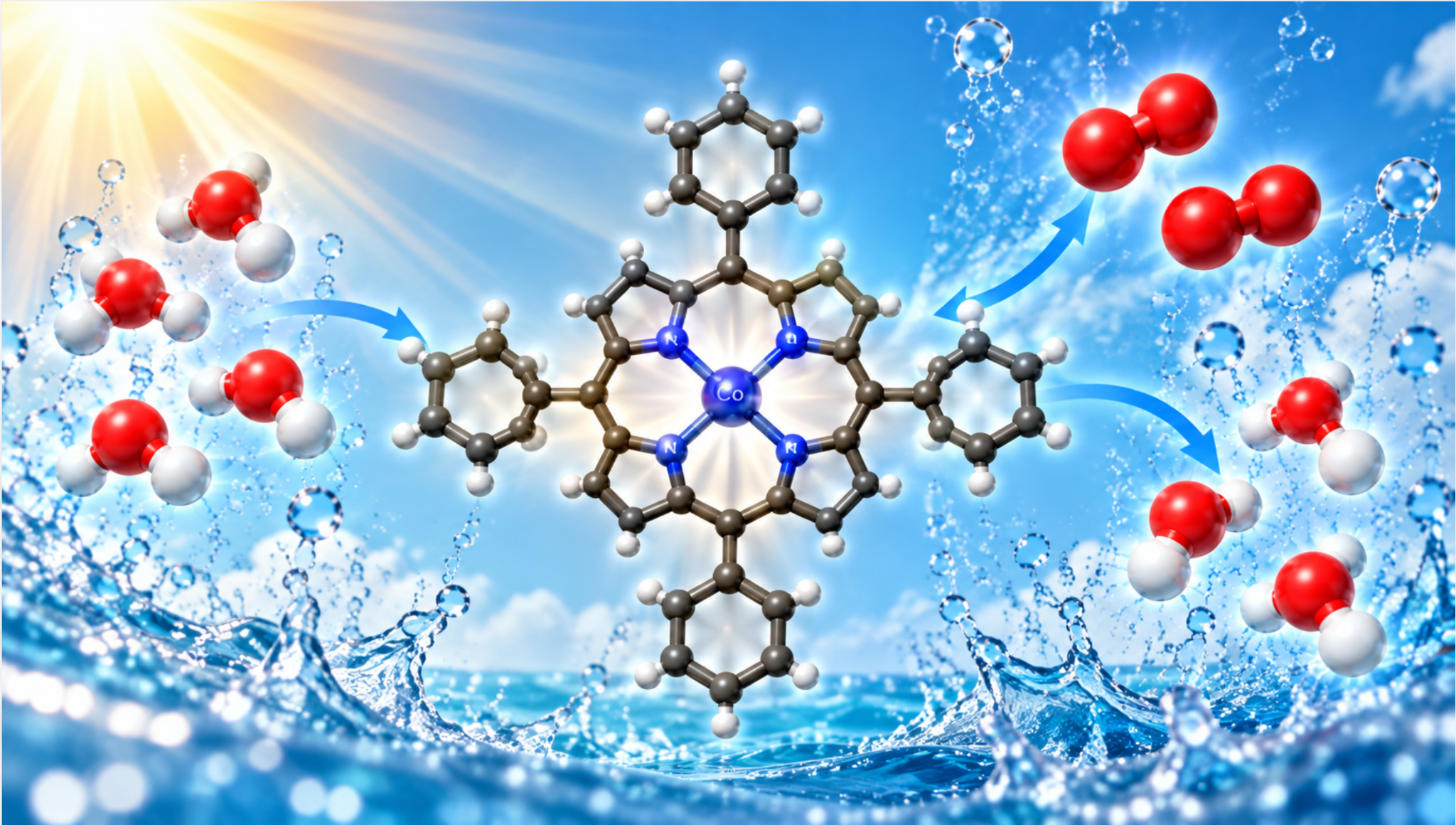
Illustration of light-driven water and oxygen chemistry

We develop artificial photosynthetic and photoredox systems inspired by natural photosynthesis. Our research explores water oxidation, oxygen activation, and light-driven chemical transformations using molecular metal catalysts, including sustainable H2O2 production from H2O and O2.
02

Molecular Catalyst Design for CO2 Reduction

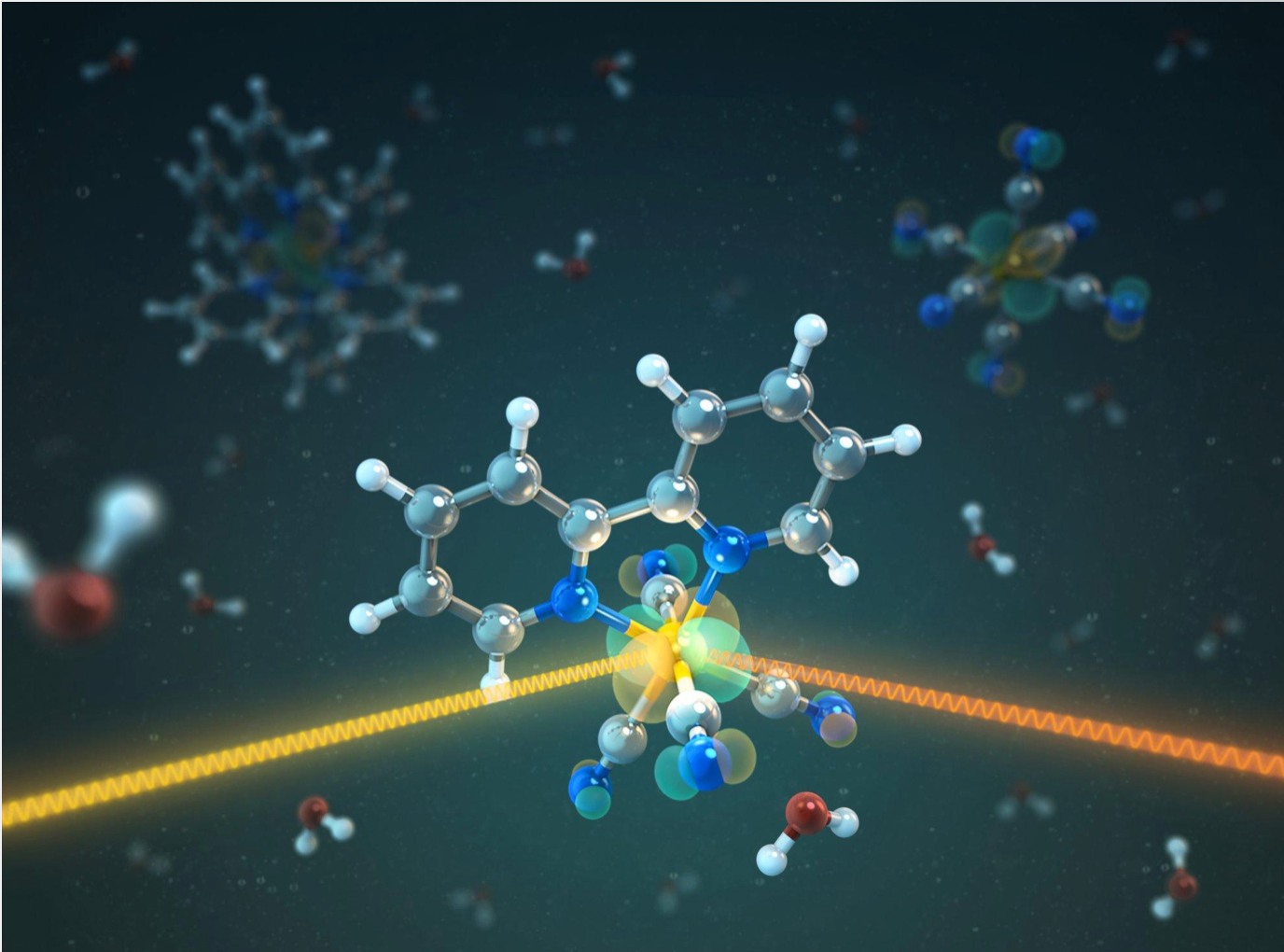
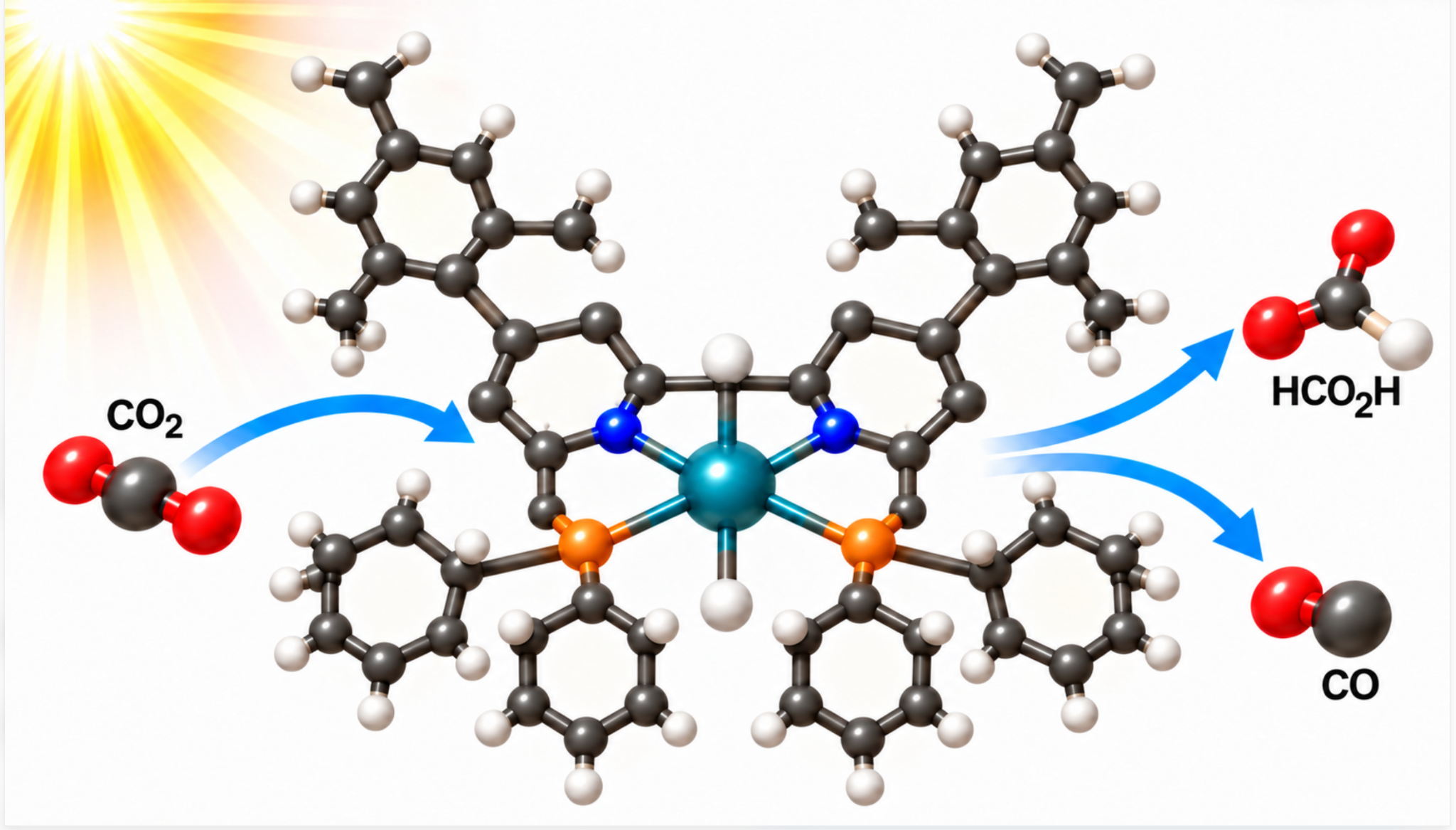
Conceptual illustration of a molecular catalyst for carbon dioxide reduction

We design robust transition-metal complexes with tailored ligand environments for selective CO2 reduction. In particular, PNNP-ligated Ir, Ru, and Os catalysts enable efficient and durable photocatalytic conversion of CO2 into formic acid and CO, providing insights into structure–activity relationships.

03

Photo- & Electrocatalytic Energy Conversion

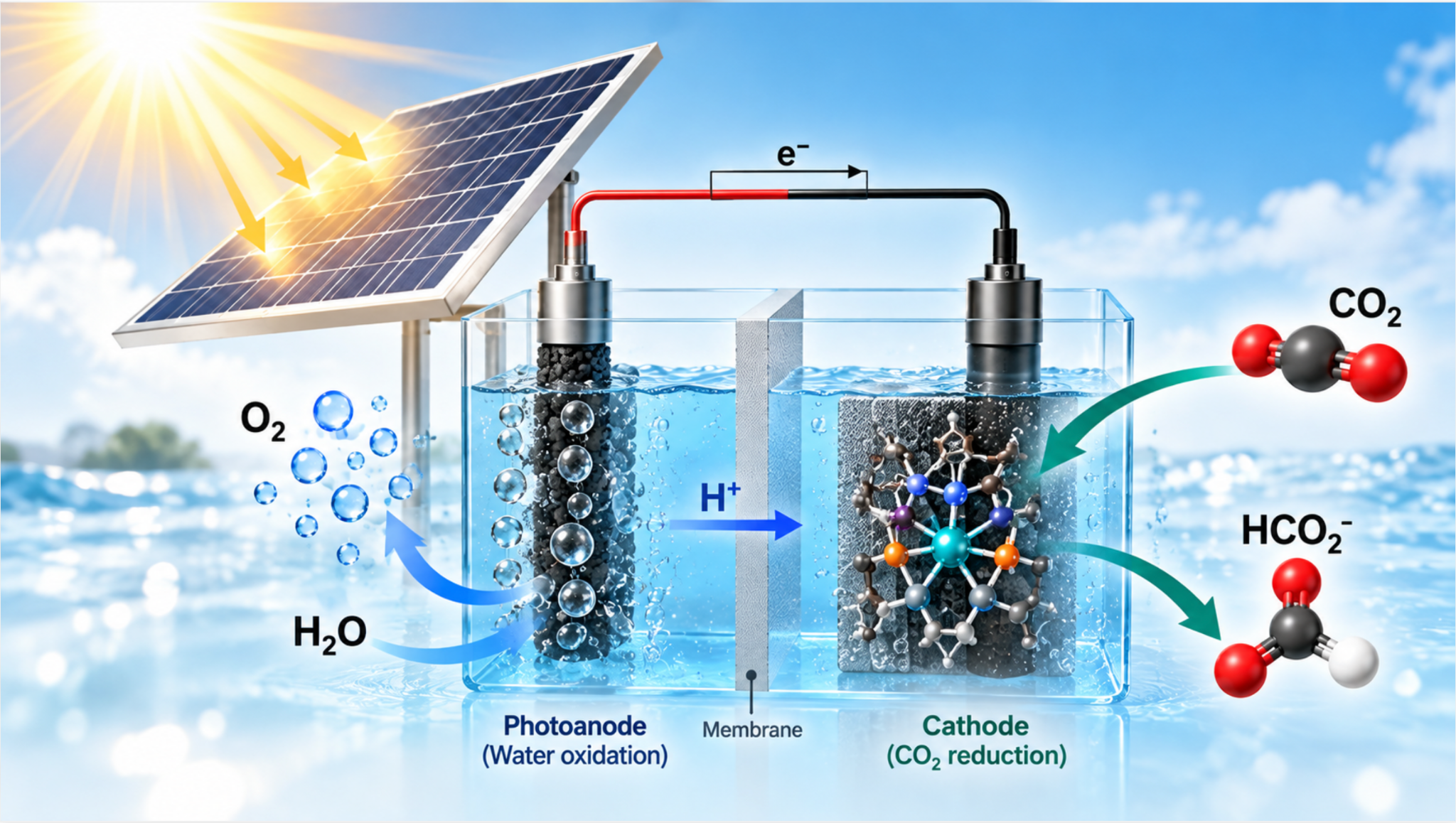
Conceptual illustration of photoelectrochemical energy conversion

We integrate molecular catalysts into light-driven and electrochemical systems for sustainable fuel production. Our studies include catalyst immobilization on electrode surfaces, selective CO2-to-formate conversion in aqueous media, and light-driven hydrogenation of CO2 and carbonyl compounds under mild conditions.

04

Mechanistic Studies & Spectroscopy

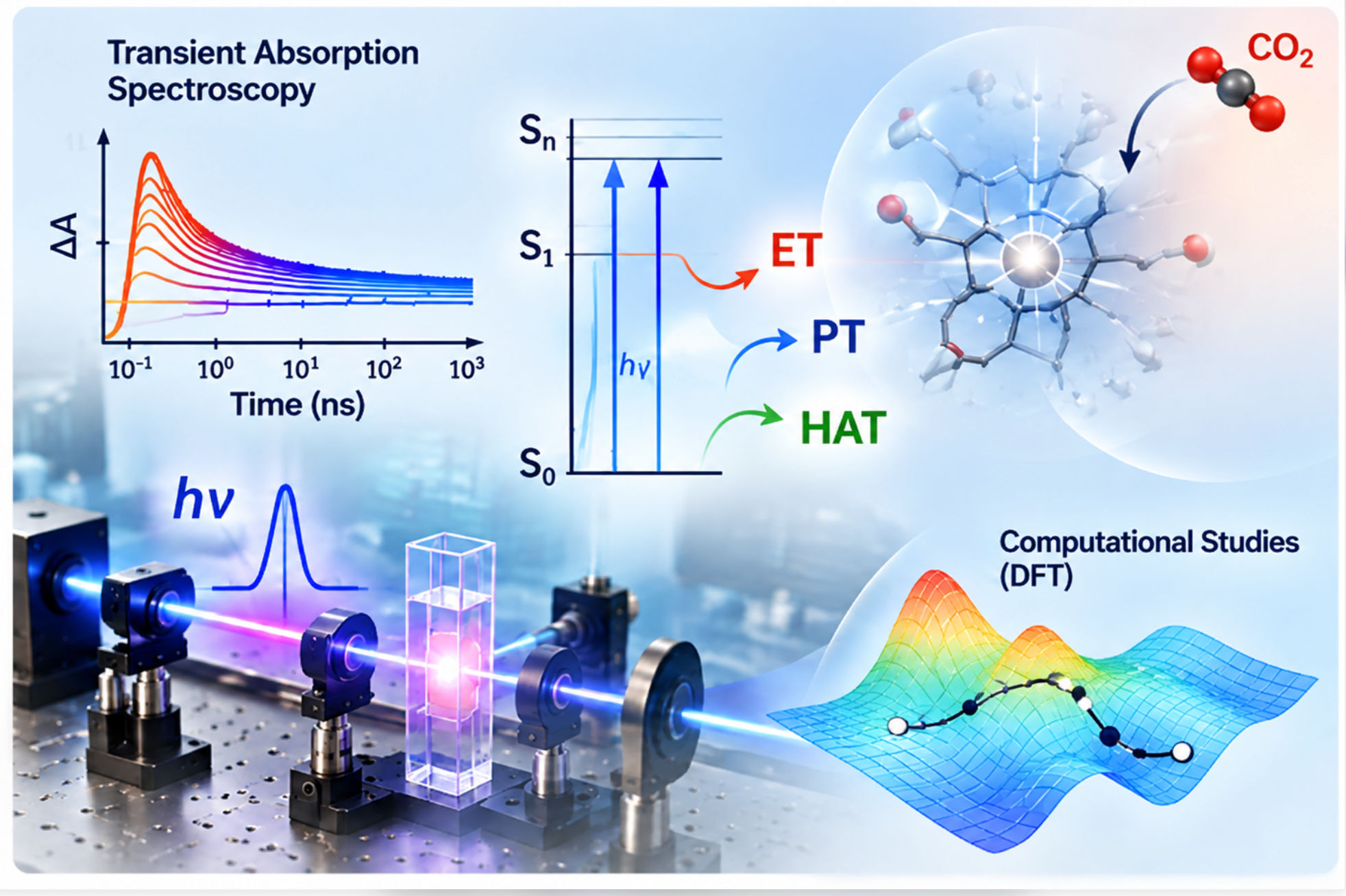
Conceptual transient spectroscopy and reaction mechanism illustration

We investigate catalytic reaction mechanisms through time-resolved spectroscopy, electrochemistry, kinetic analysis, and computational studies. By identifying reactive intermediates and elucidating electron-, proton-, and hydrogen-atom transfer pathways, we establish molecular-level principles for improving catalytic activity, selectivity, and durability.

Selected Research Highlights

10,400+Photocatalytic TONMolecular CO2 reduction
168 hElectrolysis StabilityHeterogenized Ir catalyst
13.7%Solar-to-Formate EfficiencySolar-driven CO2 conversion

Members

Portrait of Jieun Jung

PI / ASSOCIATE PROFESSOR

Jieun Jung

Institute for Chemical Reaction Design and Discovery (ICReDD)
Hokkaido University

M2 (Nagoya University)

Ryohei Hasegawa

M2 (Nagoya University)

Shun Kato

M1 (Nagoya University)

Daito Watanabe

B4 (Nagoya University)

Runa Higuchi

Publications

19

Bicyclic Baird-type aromaticity

Won-Young Cha, Taeyeon Kim, Arindam Ghosh, Zhan Zhang, Xian-Sheng Ke, Rashid Ali, Vincent M. Lynch, Jieun Jung, Woojae Kim, Sangsu Lee, Shunichi Fukuzumi*, Jung Su Park*, Jonathan L. Sessler*, Tavarekere K. Chandrashekar*, and Dongho Kim*

Nature Chem. 2017, 9, 1243–1248.

GROUP UPDATES

News

News and announcements will appear here.

GET IN TOUCH

Contact

For inquiries about our research or opportunities to join the group, please feel free to contact us.

Jung Research Group

Institute for Chemical Reaction Design and Discovery (ICReDD)
Hokkaido University

Room 03-102, North Campus Research Building No. 8
Kita 21-jo Nishi 10-chome, Kita-ku
Sapporo, Hokkaido 001-0021, Japan

Email: jung.jieun.z7@icredd.hokudai.ac.jp